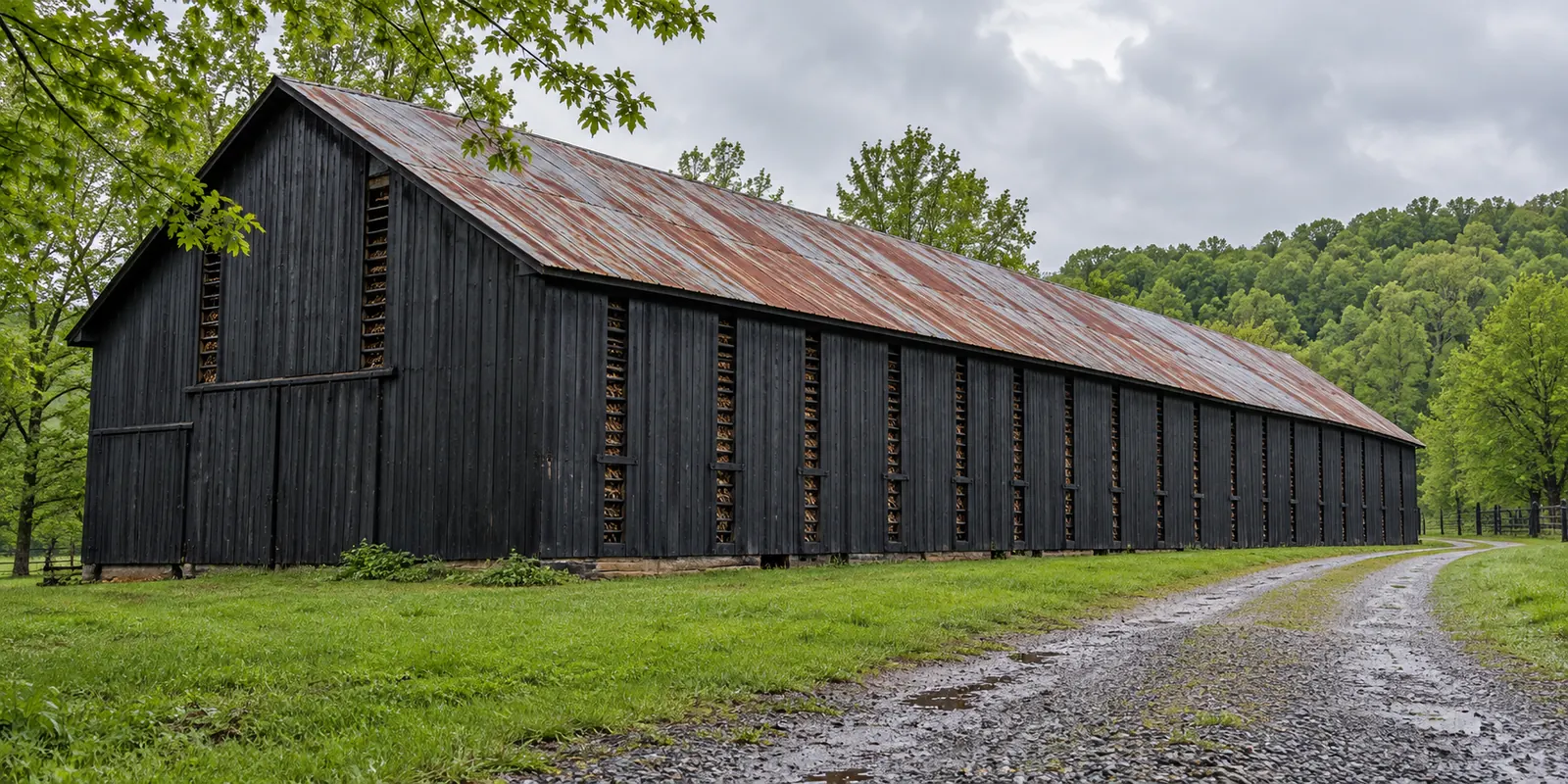
Foam With Silicone Topcoat
Silicone over foam handles low spots that hold water and cures in cooler, humid air.
Silicone roof coating
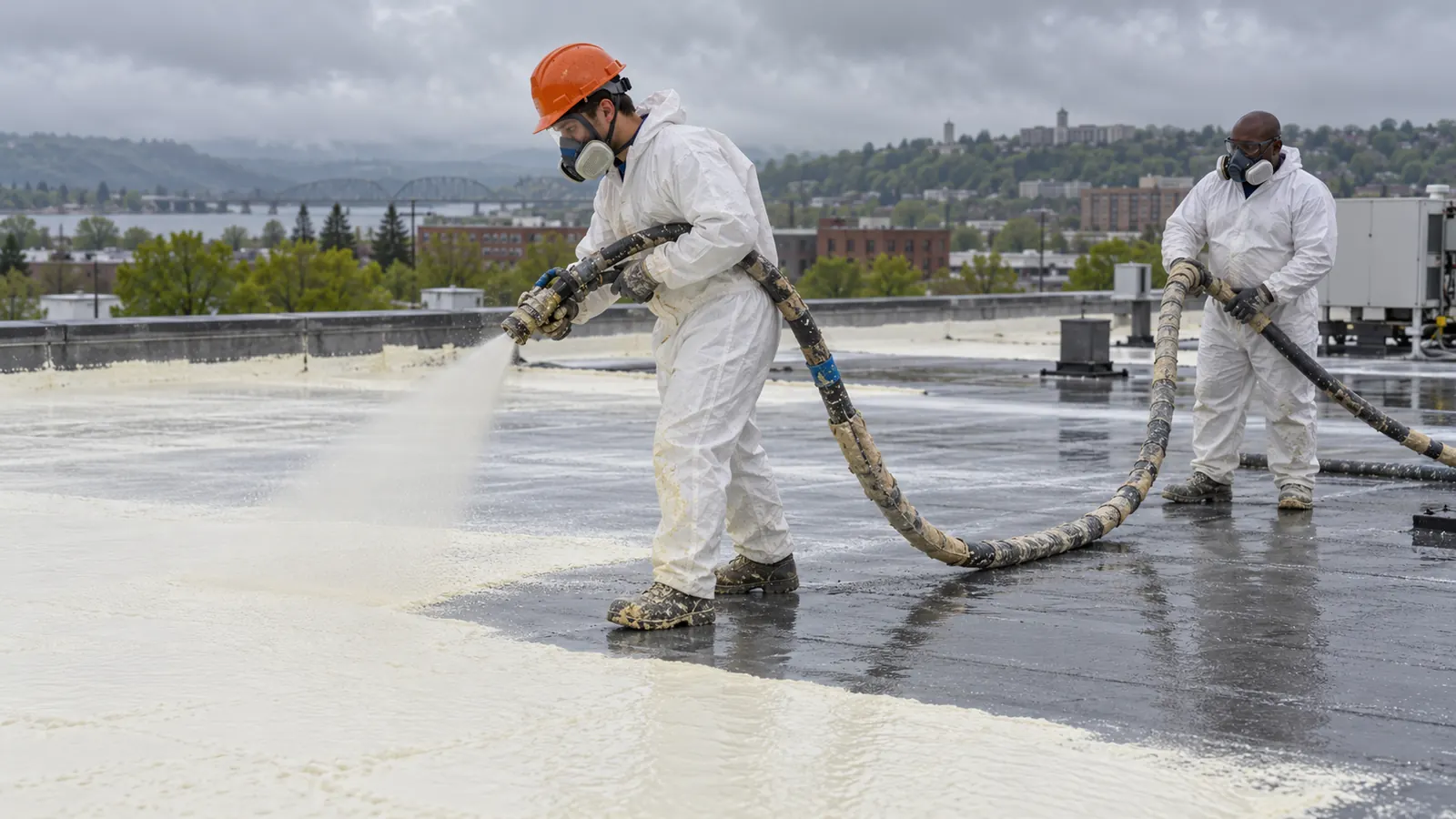
We install spray foam roofing over commercial metal and flat roofs in Jeffersontown, adding insulation, burying every screw, and finishing with a protective coating.
Both seal the roof. The difference is insulation, roof shape, and what happens at the curbs.
| Factor | Coating Only | Spray Foam Plus Coating |
|---|---|---|
| Insulation added | Very little | Set by foam thickness |
| Roof profile | Panel ribs stay visible | Ribs filled, smooth crowned surface |
| Screws | Each one sealed, then coated | Every screw buried in foam |
| Rooftop curbs | Usually unchanged | Short curbs raised to clear the foam |
| Good fit | Unheated shops and storage | Heated or cooled warehouses and offices |
Closed-cell foam adds about R-6 per inch, per a U.S. Department of Energy Building America guide.
Foam needs a dry, clean, firm surface. These five areas decide how the job is built.
Wet panels or soaked insulation stop foam from sticking. We check for trapped moisture and wait for a dry surface, since dew on steel is common on cool Kentucky mornings.
Raising the roof surface means short rooftop unit curbs, vent stacks, and drains need their flashing extended. In Jeffersontown, moving a unit brings in the city's own HVAC inspector.
Thickness sets the insulation value and the slope to the gutters. We measure it as we spray and add more along low areas so water runs off.
Wind carries foam and coating mist. Air intakes are shut down or covered, cars are moved or masked, and spraying stops when gusts pick up.
Gutters, rake trim, and eave edges get re-detailed for the new roof height, so water still drops into the gutter instead of behind it.
Foam always gets a coating on top. The topcoat choice depends on water, traffic, and future upkeep.
Silicone over foam handles low spots that hold water and cures in cooler, humid air.
Silicone roof coating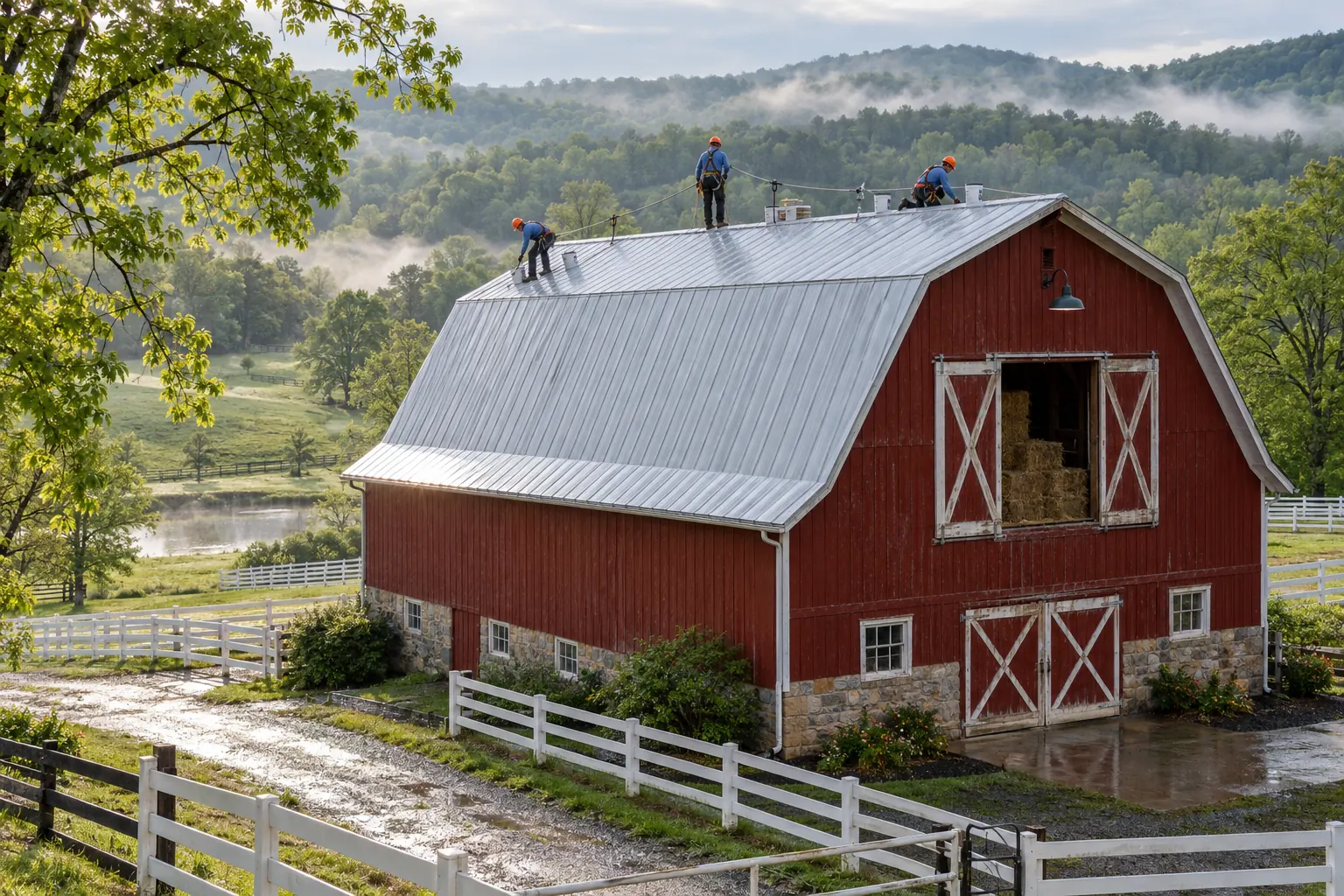
Acrylic over a crowned foam roof that drains well recoats easily with acrylic after a wash.
Acrylic roof coating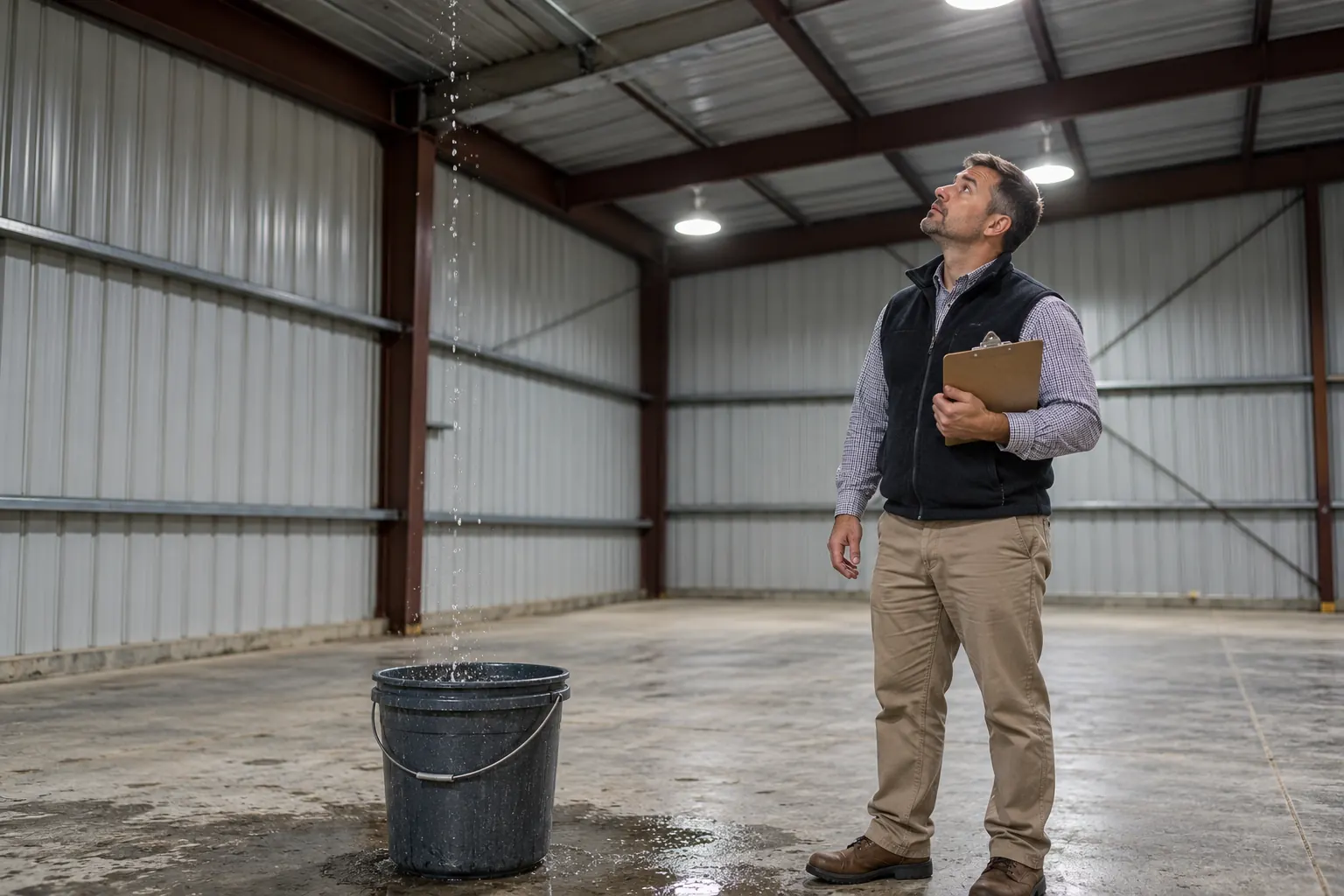
An unheated shop that only leaks at screws and laps gets a coating system without the foam.
Metal roof coatingFoam plus a coating does two jobs at once. These are the gains over a coating alone.
Closed-cell foam adds about R-6 per inch, according to a U.S. Department of Energy Building America guide, and the coating keeps sun and rain off it. The old roof stays in place under the foam.
Foam covers the steel edge to edge, which helps panels that drip condensation on cold mornings.
Spraying over the existing roof keeps old panels and insulation out of the landfill.
Keeping the topcoat up keeps the foam protected; a recoat renews that protection.
Call us to talk through insulation over the panels. We will look at the roof, the curbs, and how the building is used.
Foam work is staged around dry weather and calm air.
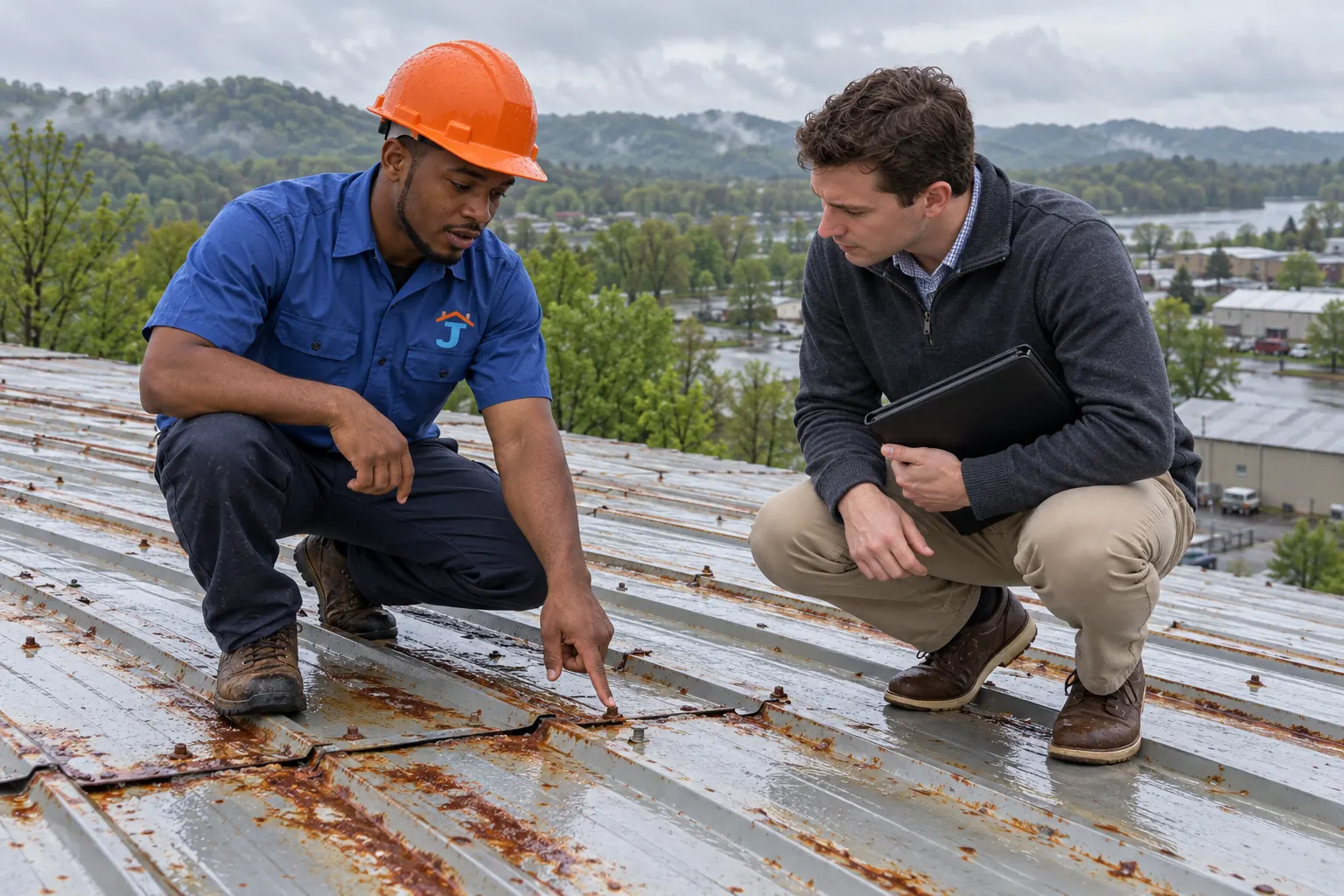
We walk the panels, check for wet insulation, measure curb and drain heights, and note every air intake near the spray area.
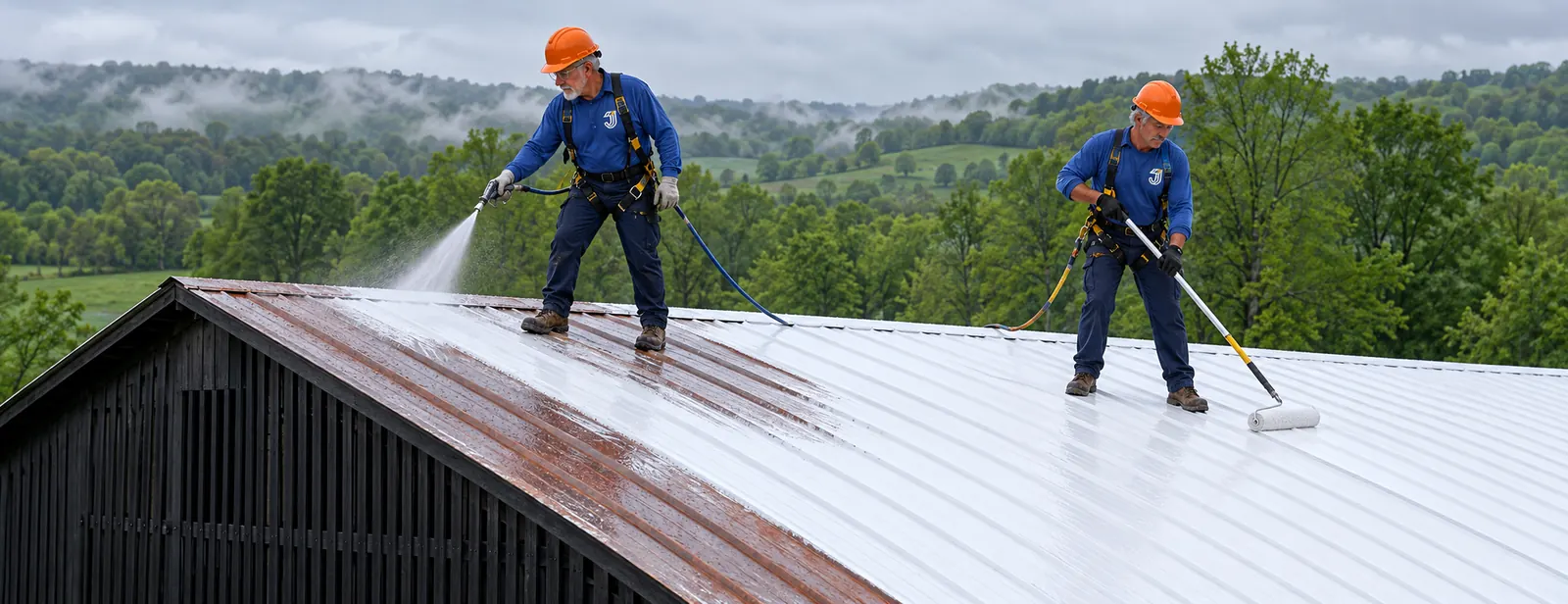
The roof is washed and dried, loose screws are tightened, and badly rusted spots are primed so the foam has a firm base.
Curb flashing, vent stacks, and gutter edges are extended for the added height before any foam goes down.
Closed-cell foam goes on in passes to the planned thickness, built up in low areas so water runs toward the gutters.
Silicone or acrylic goes over the foam the same week, at the thickness the maker lists, because sunlight breaks bare foam down.
Foam is one option for metal buildings. These are the coating-only routes.
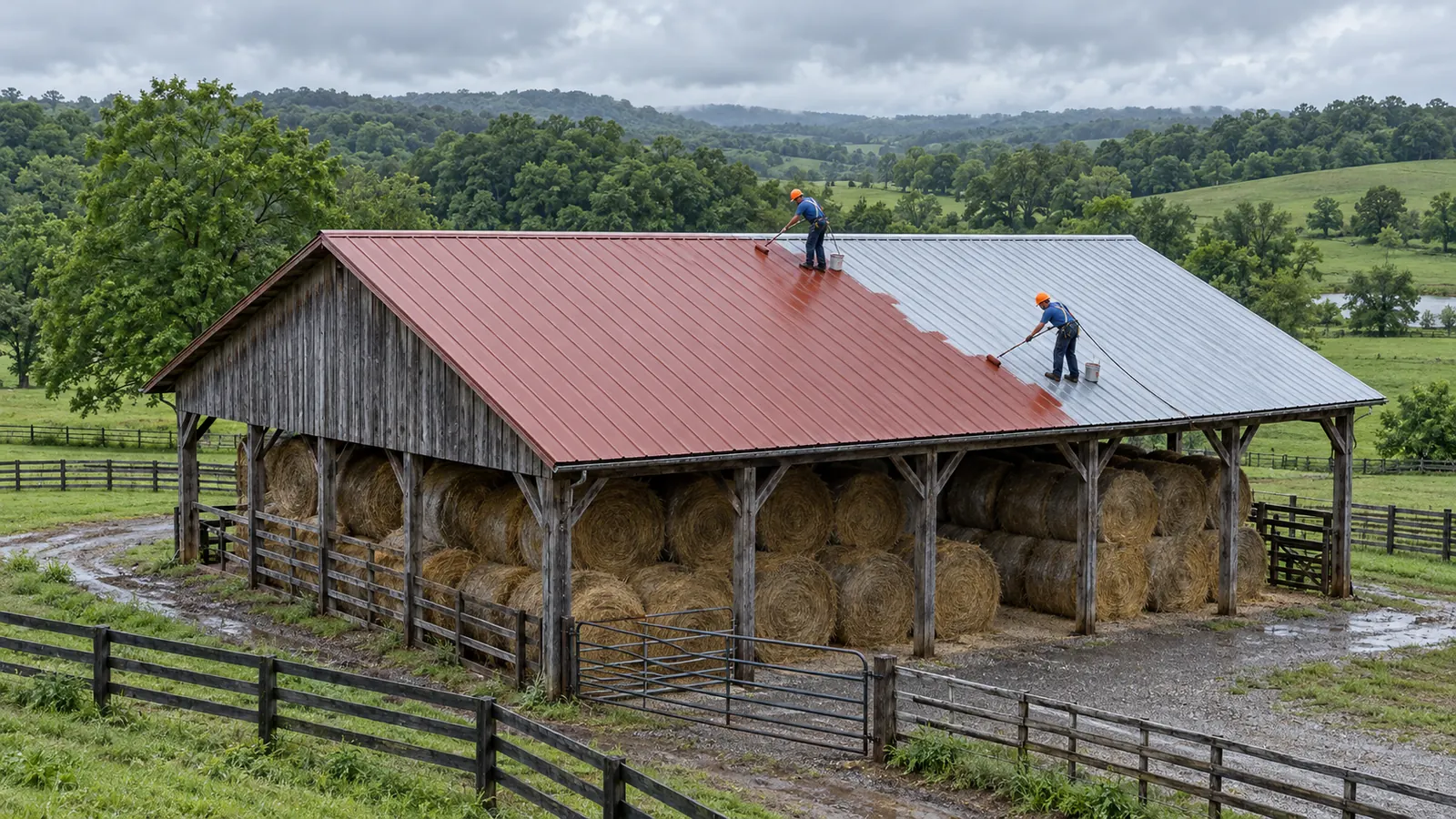
A metal coating seals screws and laps without adding height, for buildings that need no insulation.
Metal Roof Coating in Jeffersontown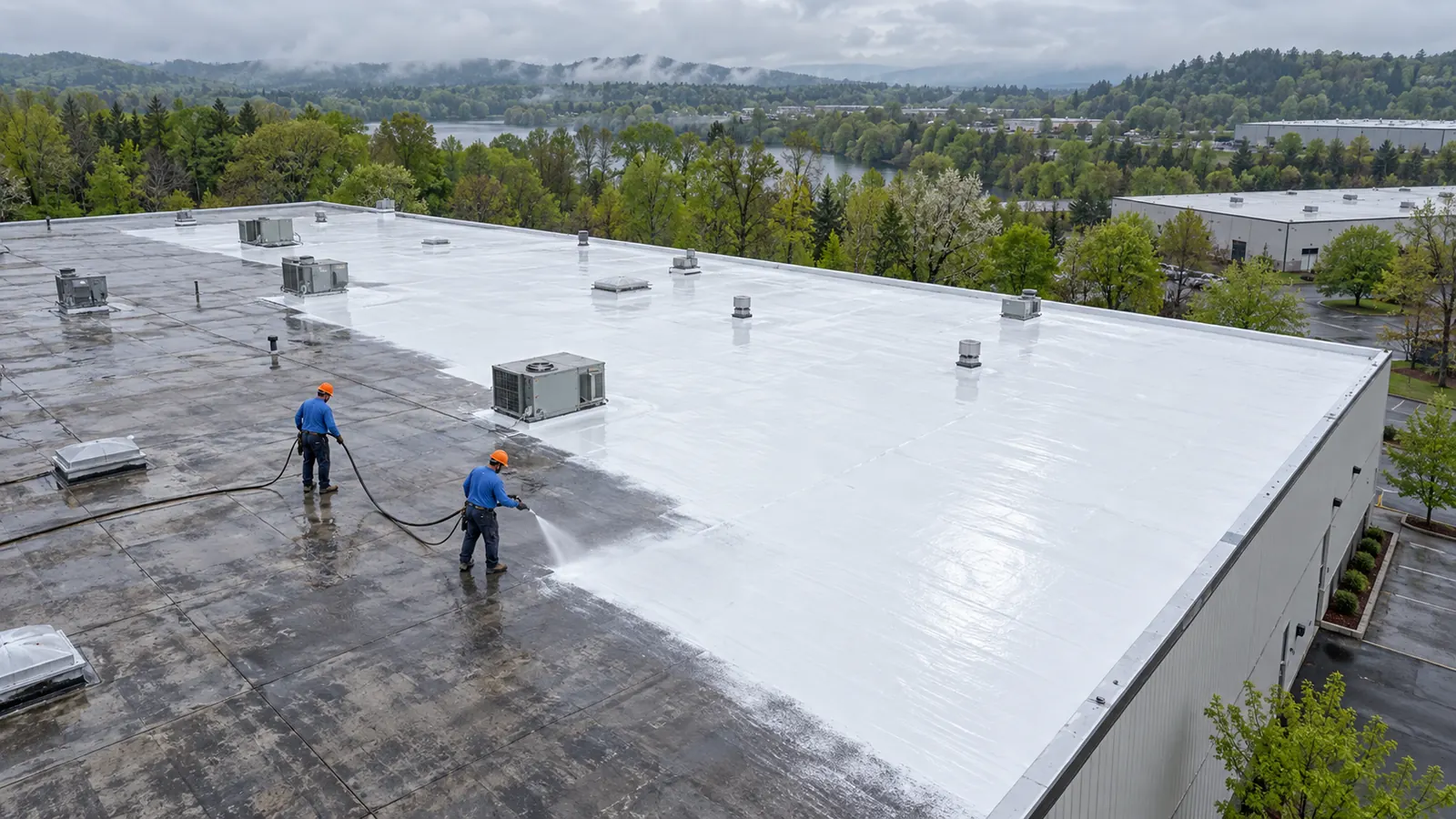
Silicone is the usual topcoat over foam where any water stays after rain.
Silicone Roof Coating in Jeffersontown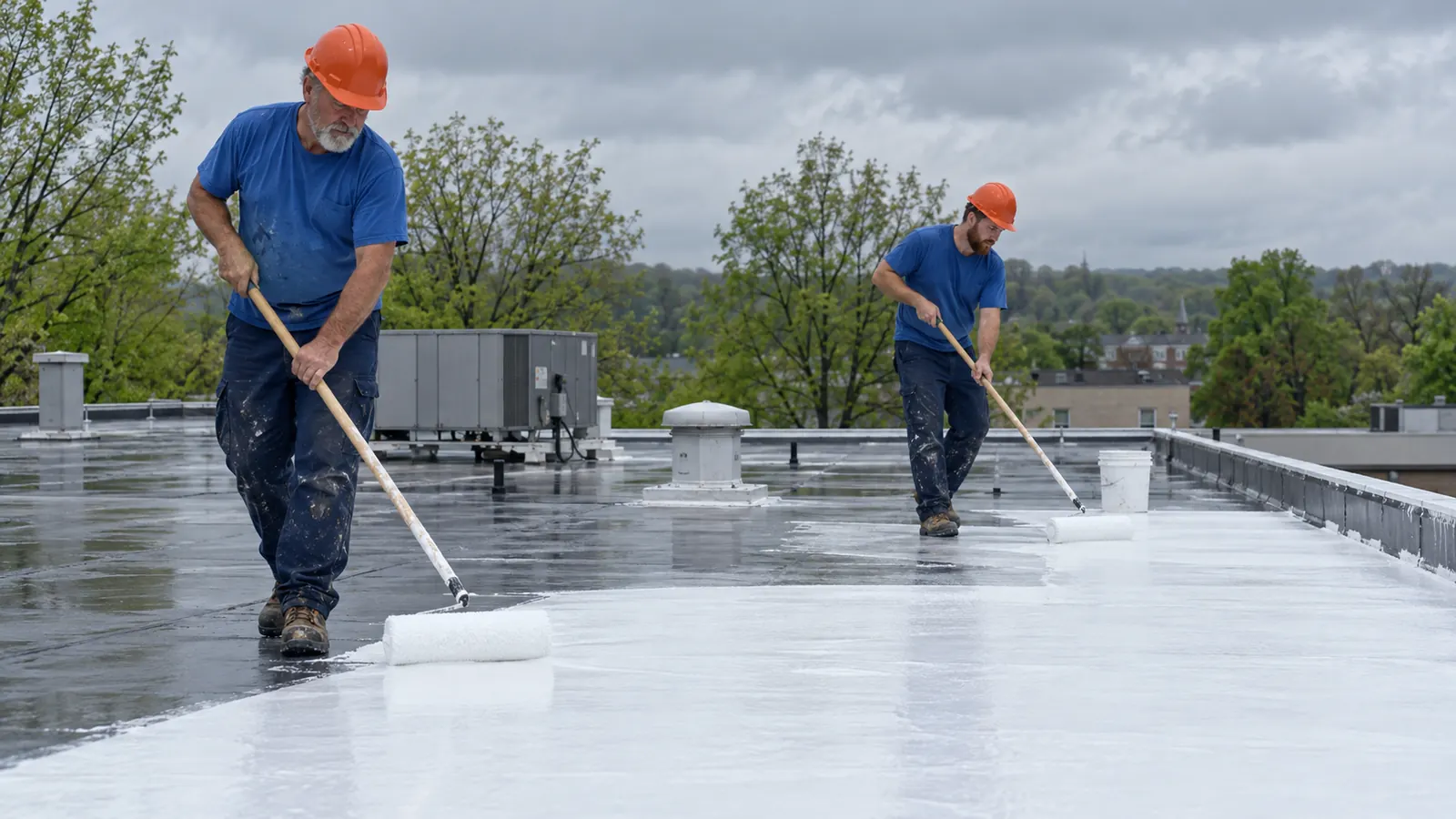
Acrylic tops a well-crowned foam roof and recoats with a wash and fresh coat.
Acrylic Roof Coating in JeffersontownAnswers about foam over metal, winter weather, and permits in Jeffersontown.
Foam fits a building that needs insulation or a smoother roof surface; a coating alone fits a roof that needs leak sealing and rust protection. Closed-cell foam adds about R-6 per inch, per a U.S. Department of Energy Building America guide, and it always gets a coating on top. Short curbs may need raising.
Closed-cell roofing foam is light for the insulation it adds, far lighter than a second layer of panels. Thickness drives the total. On older buildings we look at the purlins and the panel span during the roof walk, and an engineer reviews it when the structure raises questions.
A well-adhered topcoat rides out freeze-thaw cycles, and trouble starts where water gets under it. Louisville-area normals show about 13 inches of snow a season. Water trapped under a lifted edge or an open seam freezes and pries the gap wider, and sliding snow can tear sealant at the eaves. Check edges and gutters each spring.
Foam and its topcoat each have temperature limits on the product sheet, and the steel must be dry and above the dew point. Cold, damp Kentucky winters leave fewer usable days, so most foam jobs are planned for spring through fall. Repairs to screws and edges can happen any time the roof is dry.
Yes. Jeffersontown handles its own commercial HVAC inspections, and Louisville Metro's HVAC listing leaves the city out, per the Kentucky Department of Housing, Buildings and Construction contact sheet. When foam means raising a curb, a mechanical contractor disconnects and resets the unit, so group those units into one shutdown and ask the city which inspections apply.
Ask the City of Jeffersontown's Department of Permitting, Planning, and Enforcement before work starts. Its code page leaves roofing unnamed, and foam adds insulation and changes curbs, which can bring more review than a coating alone. Have the roof area, foam thickness, and any unit moves listed when you call.
Enter the roof size for a ballpark range, or call to talk through insulation and curb heights.
Leave a name and number and we will call you back about your commercial roof.
Or call us now: (502) 293-5577