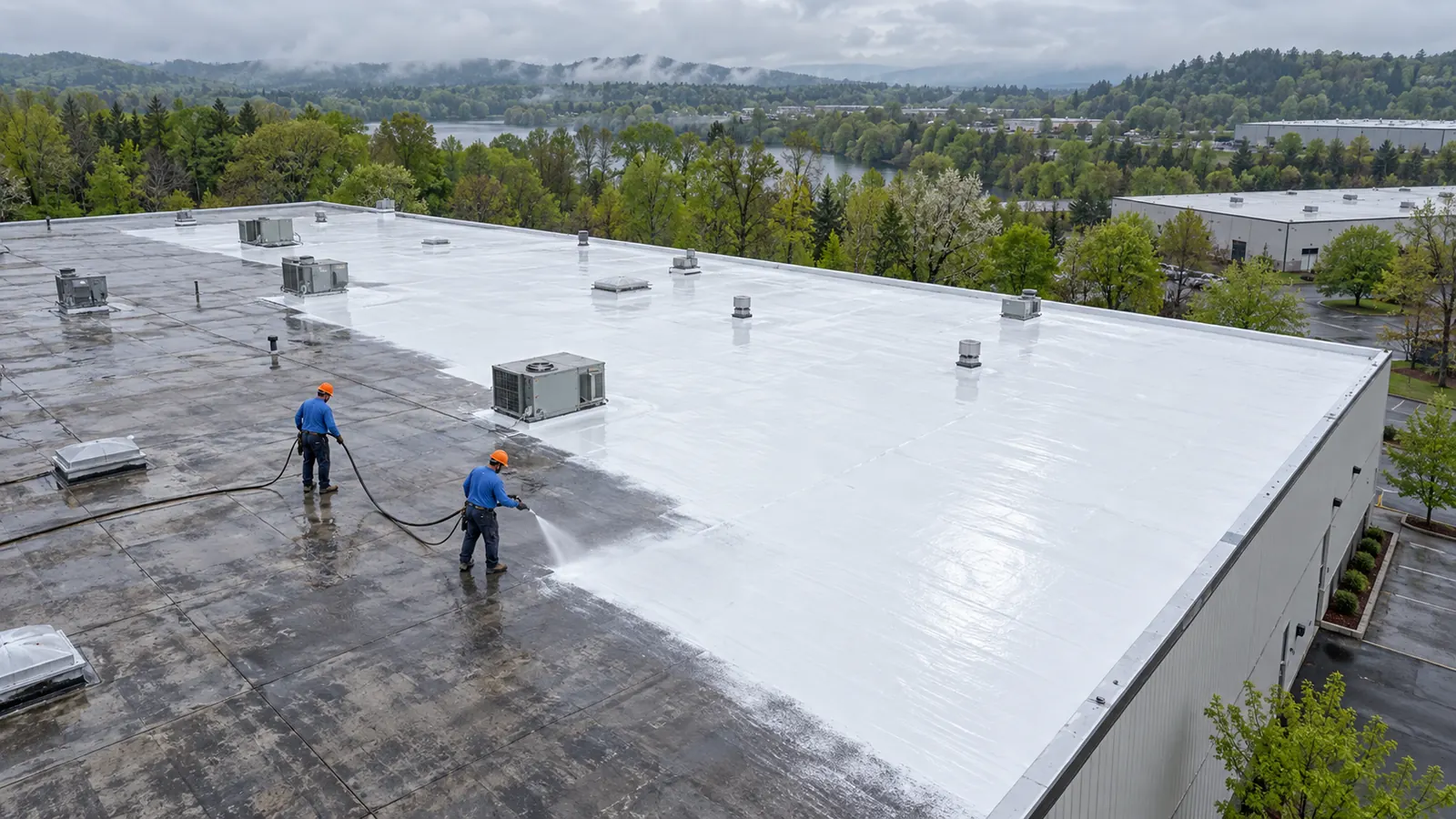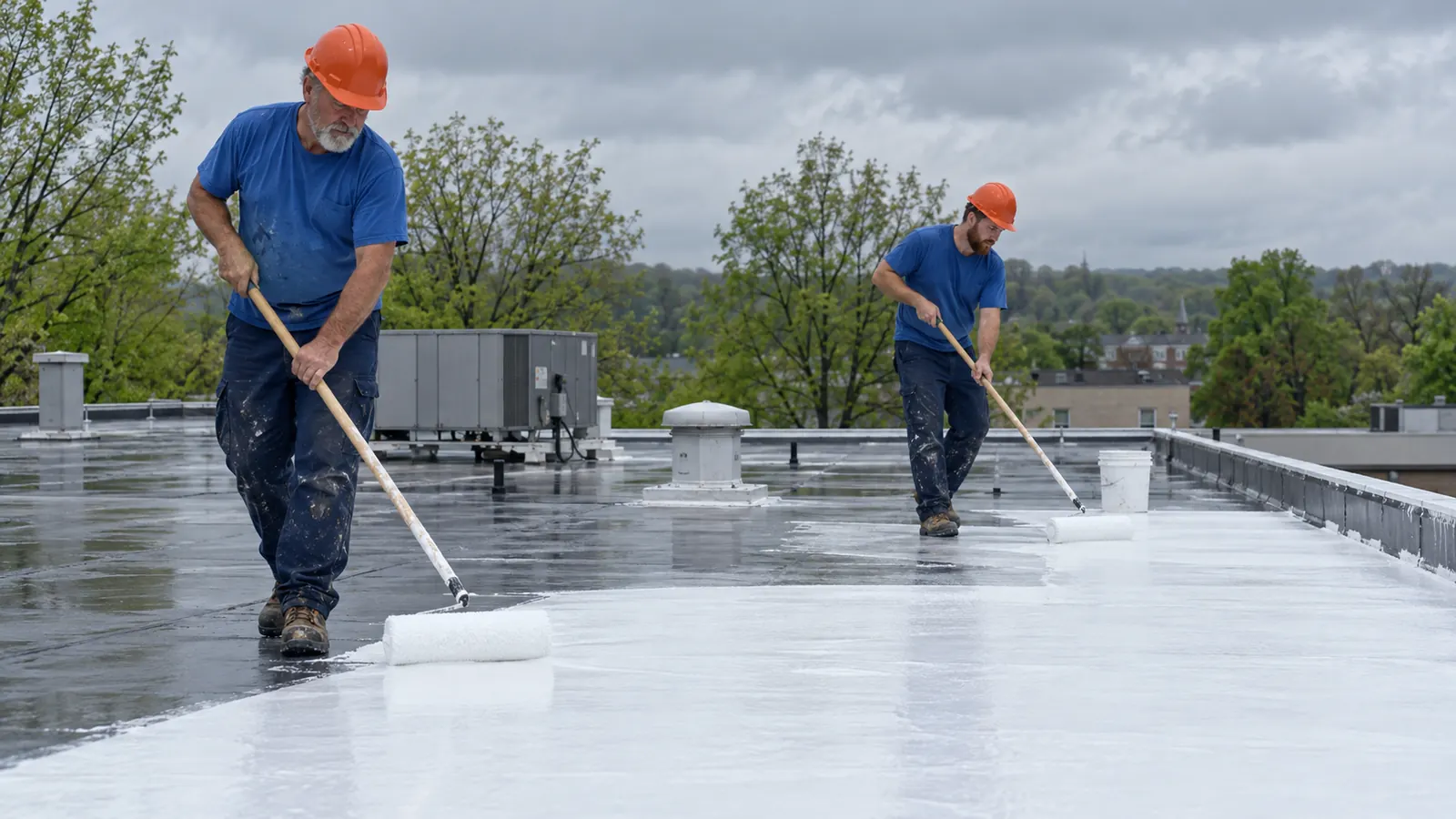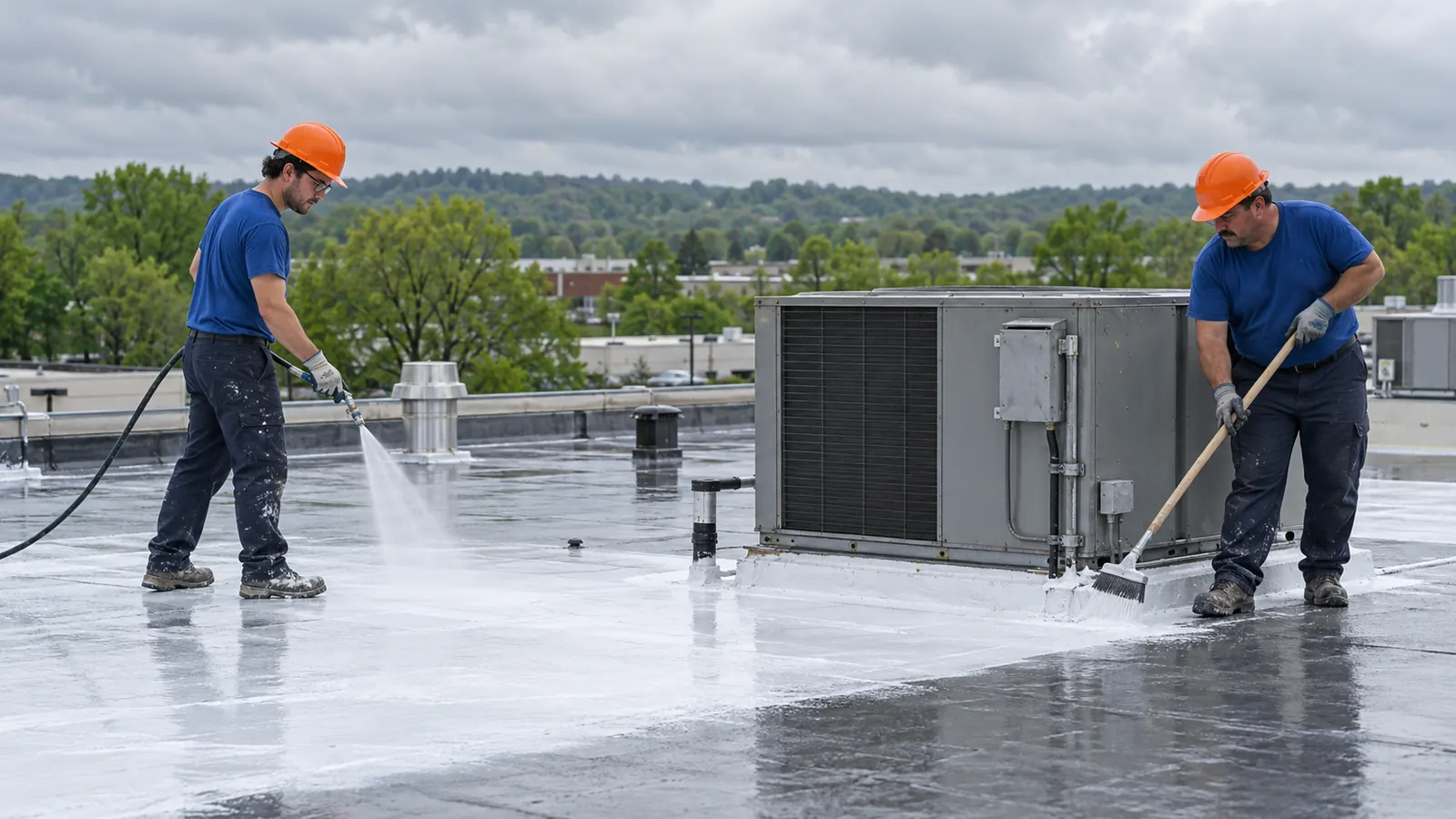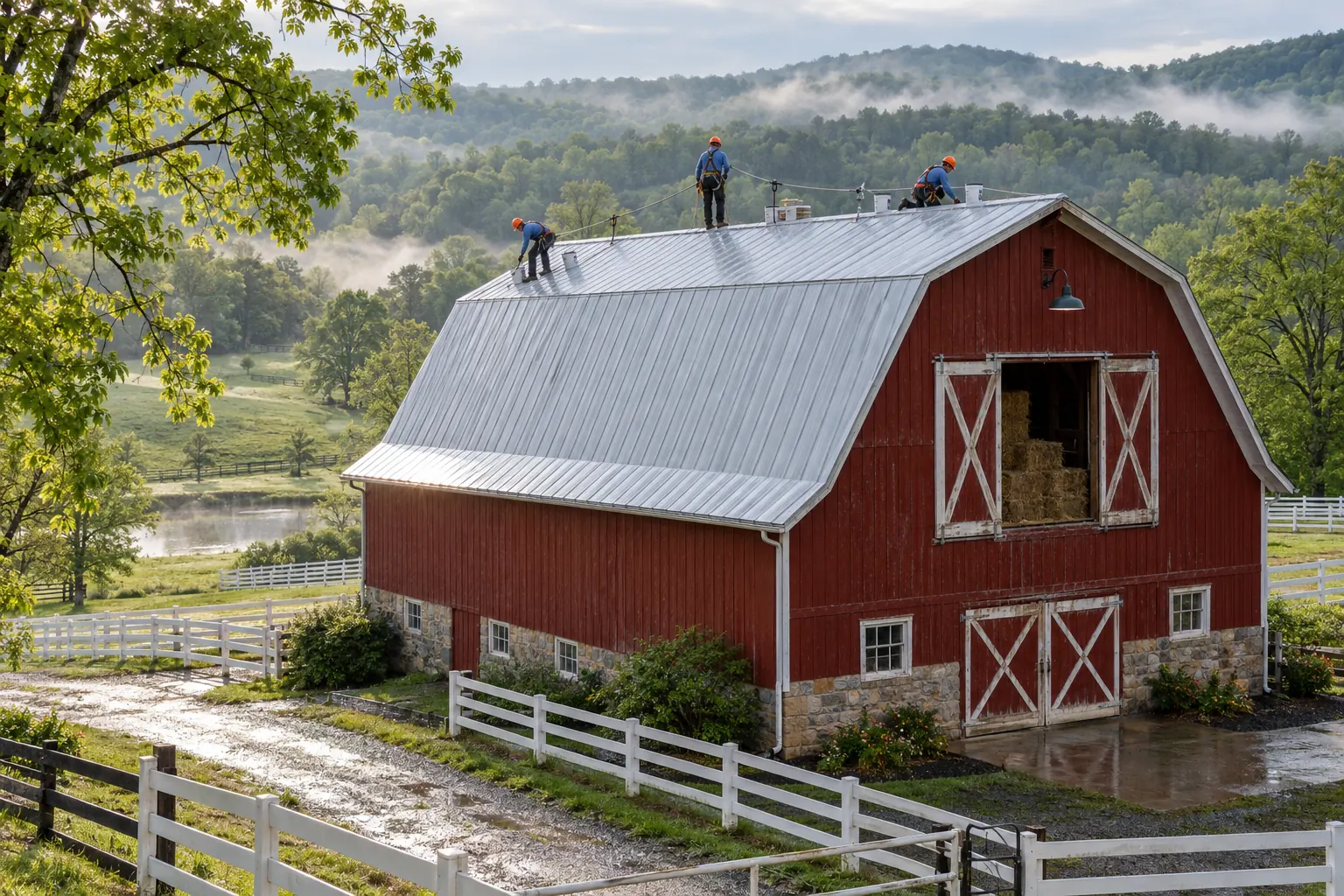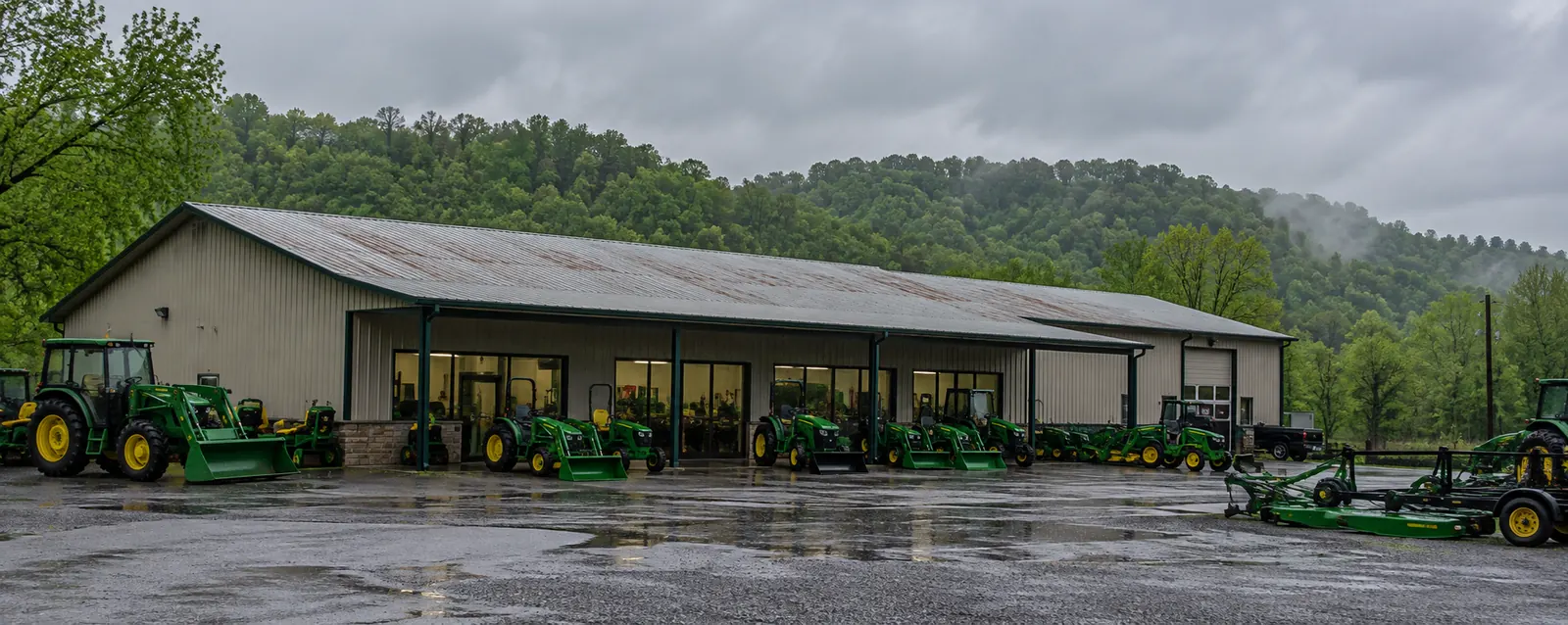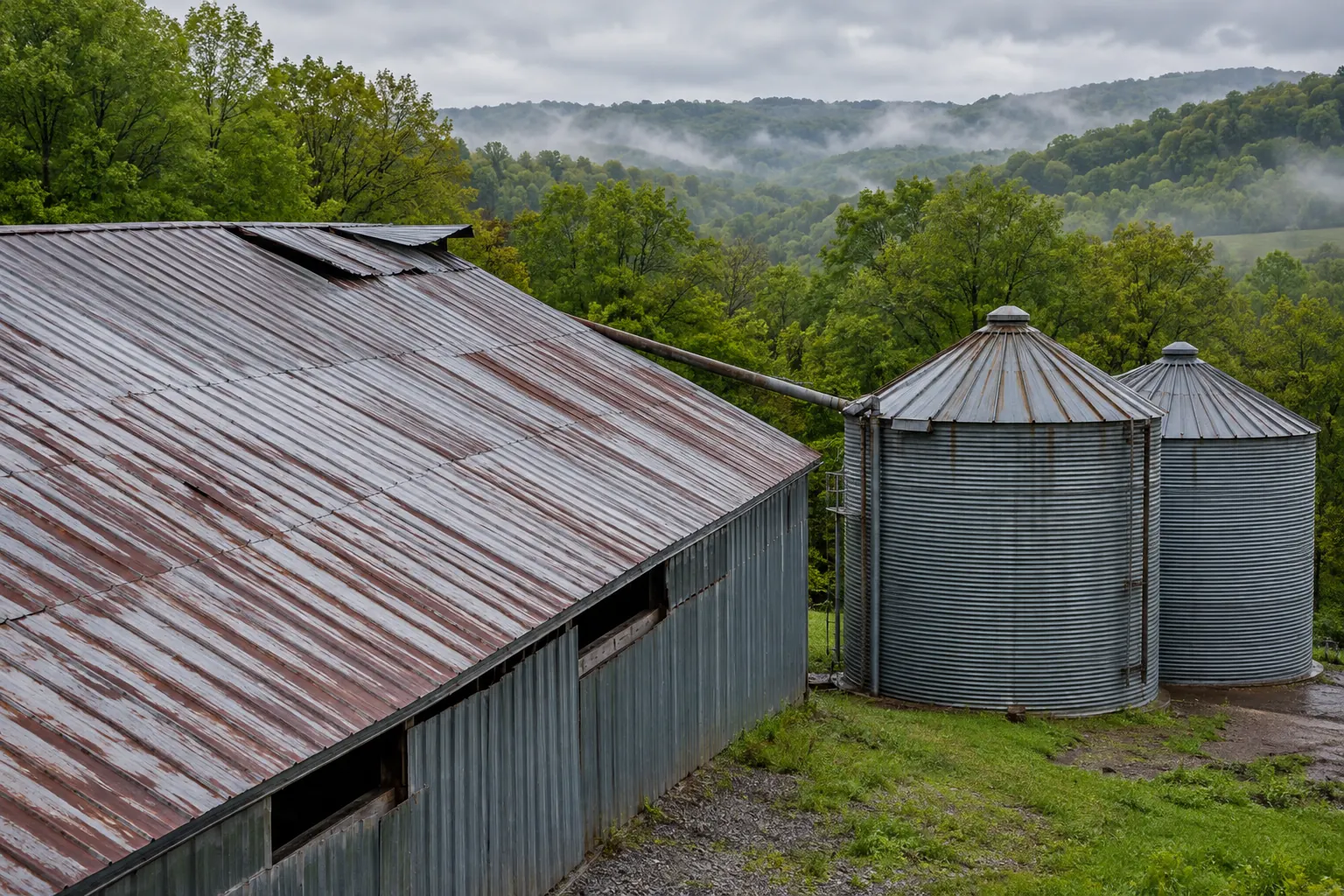
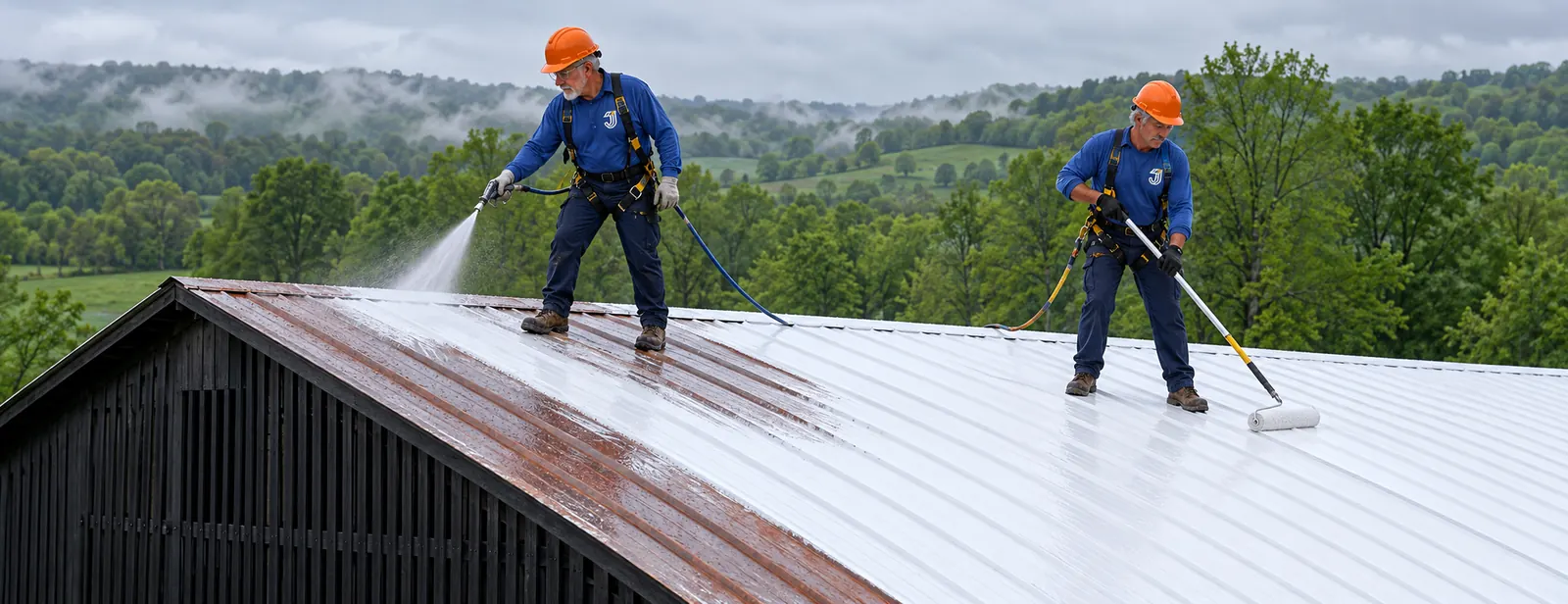
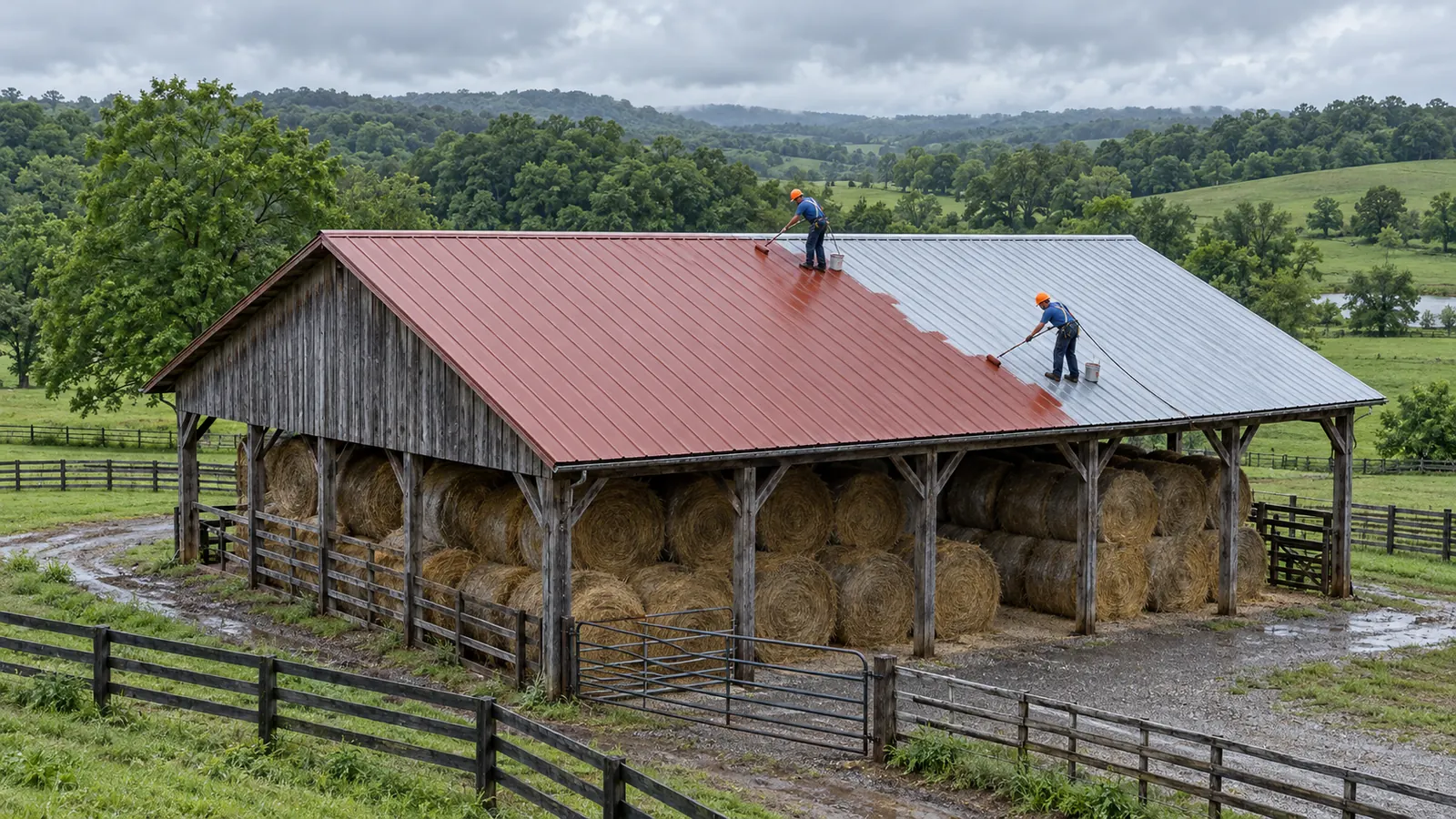
Roofing crew applying coating across a commercial metal roof in Jeffersontown, KY
Commercial Roof Coating

Jeffersontown Metal Roof Coating

We coat commercial metal roofs in Jeffersontown and nearby towns: screws, laps, gutters, and skylights sealed first, then a full silicone, acrylic, or foam system on top.

First StepRoof walk and fastener test
SystemsSilicone, acrylic, foam, shingle
BuildingsWarehouses, shops, offices, churches
Work HoursPlanned around tenants and docks
Where Leaks Start

Where Jeffersontown Metal Roofs Leak First

Most water gets into a steel roof at a joint where two parts meet. These five zones are where we look first on a roof walk.

Field And Fasteners

Exposed-fastener R-panel roofs carry thousands of screws. Washers dry out and crack after years of sun, and water follows the shank into the building. A screw that spins in its hole gets a larger replacement before any coating.

Side Laps And End Laps

Overlaps move every time the steel heats and cools. End laps run across the slope, so rain meets them head on and leaves pile up at the upper panel. Rust stains on the purlins below give them away.

Eaves And Gutters

Gutter seams split, hangers loosen, and rusted gutter bottoms hold water against the eave. Clogged gutters spill over the edge after heavy rain and soak the wall below. We clear, reseal, and coat them or flag them for replacement.

Skylights And Curbs

Translucent skylight panels crack and yellow, and their perimeter sealant shrinks. Rooftop unit curbs leak where the flashing meets the panel ribs. Both get sealed before the field coat, and cracked skylight panels get marked for replacement.

Ridge And Trim

Ridge caps, closure strips, and rake trim take the wind. Loose cap screws and missing foam closures let blown rain in at the top of the roof, where a leak shows up far from its source.

Coating Systems

Commercial Roof Coating Services In Jeffersontown

We offer five services, each matched to a different kind of roof. Every row shows the roofs it fits and what we check before work starts.

We coat exposed-fastener R-panel, PBR, and standing seam roofs after the screws, laps, and rust are handled. It is the main job on warehouse, shop, and plant roofs in Bluegrass Commerce Park.

Best For

  • Surface rust that brushes off to firm steel
  • Leaking screw rows that still bite into purlins
  • Laps and ridge caps that stay tight underfoot

Watch For

  • Panels rusted through or soft underfoot
  • Bent purlins or sagging panel runs
Jeffersontown metal roof coating

Silicone holds up where water sits for a day or two after rain: low spots, valleys, canopy roofs, and gutter lines. It cures in cooler, humid air, which helps on spring and fall work days.

Best For

  • Low-slope metal and flat sections that pond
  • Valleys where two roof sections meet
  • Entry canopies that hold water at the back edge

Watch For

  • Later recoats need silicone or a special primer
  • Dirt pickup can dull a white finish
Silicone roof coating

Acrylic fits pitched metal that sheds water fast. It is water-based, recoats with acrylic after a wash, and needs warm, dry hours to cure, so we schedule it for settled weather.

Best For

  • Sloped R-panel roofs with steady drainage
  • Buildings that want a bright white finish
  • Owners planning easy recoats later

Watch For

  • Ponding water breaks acrylic down
  • Rain or heavy dew before it cures
Acrylic roof coating

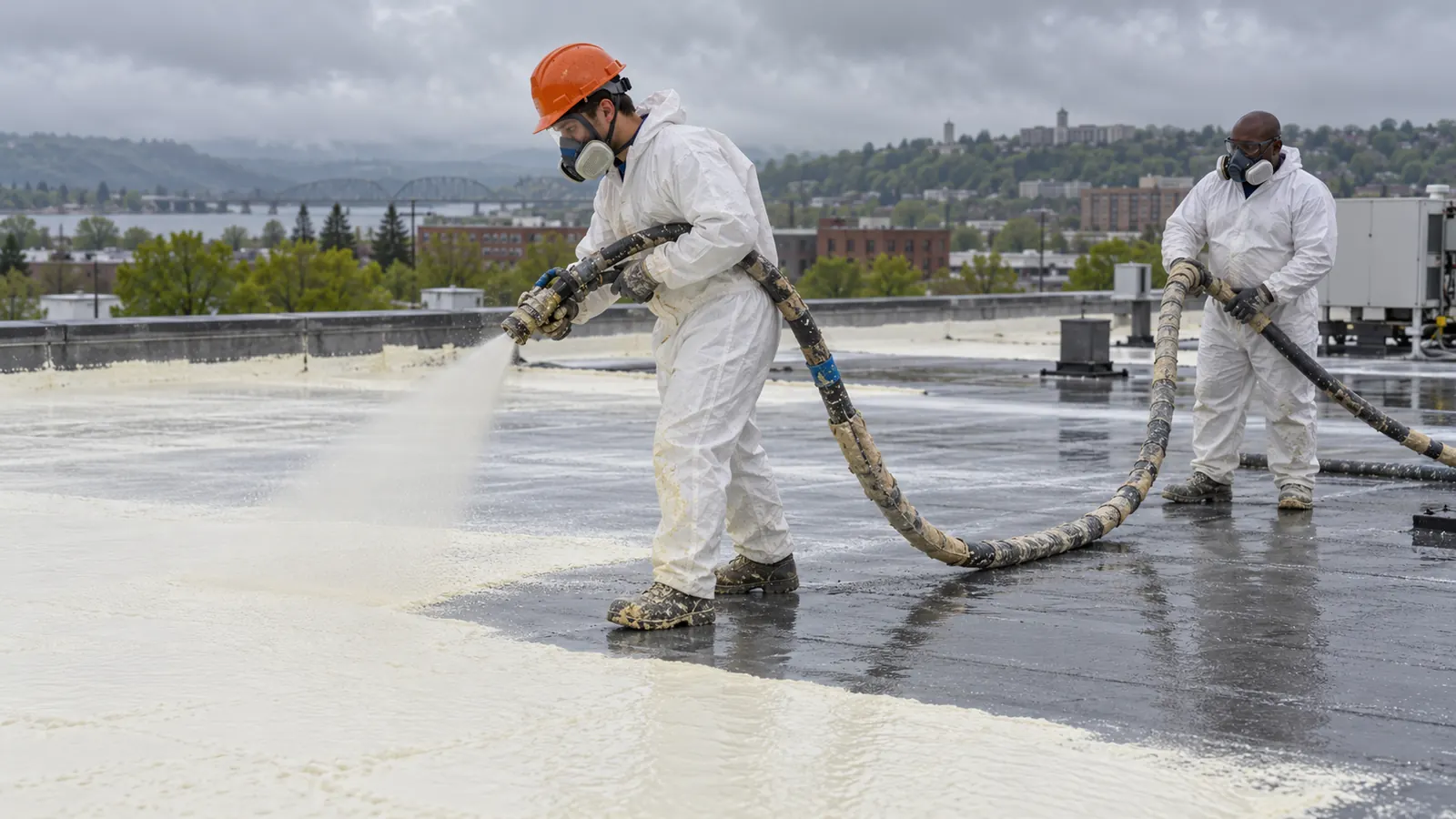
Closed-cell spray foam adds about R-6 per inch over the panels, fills the ribs, and buries every screw. A coating always goes on top. It fits heated or cooled buildings that need insulation.

Best For

  • Heated warehouses, offices, and workshops
  • Roofs with hundreds of leaking screws
  • Panels that sweat on cold mornings

Watch For

  • Short rooftop curbs that need raising
  • Air intakes near the spray area
Spray foam roofing

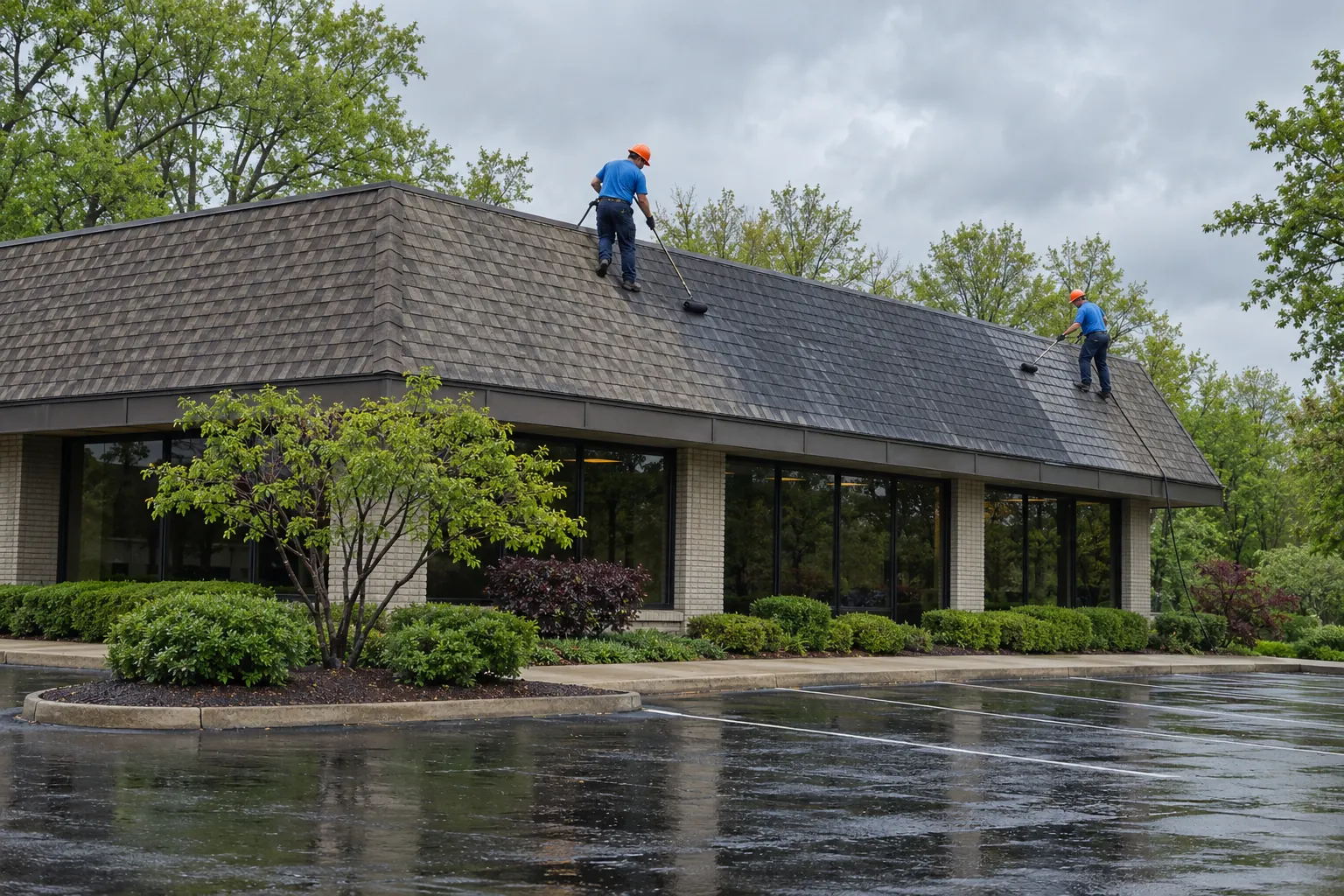
Some asphalt shingle roofs on strip centers, offices, and churches can take a coating, as long as the shingles lie flat, hold their granules, and the coating maker approves its system.

Best For

  • Shingles that lie flat and still shed water
  • Mansards and canopy roofs on retail buildings
  • Church and office roofs with granules intact

Watch For

  • Curling tabs or bare spots mean replacement
  • Ask the shingle maker about existing coverage
Shingle roof coating
Why Coat

What A Coating Does For A Metal Roof

A coating turns hundreds of joints into one surface. Here is what that changes on a commercial building.

One Surface Over Every Joint

A coating lays one continuous rubber-like layer over the panels, fastener heads, and laps, so rain meets a single surface. The existing steel stays in place, which keeps tear-off debris out of the landfill.

  • Screws, laps, and skylights sealed first
  • Base and top coats checked with a wet film gauge
  • Product names logged for the next recoat

Slower Rust

Keeping moisture off the steel slows red rust at laps and cut edges, once existing rust is brushed back and primed.

Cooler Panels

A white or light gray topcoat reflects more sunlight than faded metal, so the panel surface stays cooler on summer afternoons.

Doors Stay Open

Coating work happens on top of the panels, so most warehouses and shops keep running while sections are done one at a time.

Water Coming In At The Screws?

Call and tell us where the drip shows up inside and how old the roof is. We will set up a roof walk and look at the screws and laps above it.

Call Us
Coat Or Replace

Coat, Restore, Re-Panel, Or Replace?

The condition of the steel decides the job. This table shows how we sort a metal roof after the roof walk.

Roof ConditionWhat We RecommendWhy
Surface rust, tight screwsCoat the roofThe steel still carries weight; prime the rust and coat
Loose screws, leaking lapsRestore: repair, then coatFasteners and laps get fixed before the field coat
Scattered panels with holesRe-panel those sections, then coatNew panels go in where the old ones failed
Hail dents without cracksCoat, sealing any opened lapsA flexible coat stretches with the dents
Rusted purlins or most panels failingReplace the roofA coating cannot hold up failing structure
How It Works

How We Coat A Commercial Metal Roof

Every job follows one order of work, and each step sets up the next one.

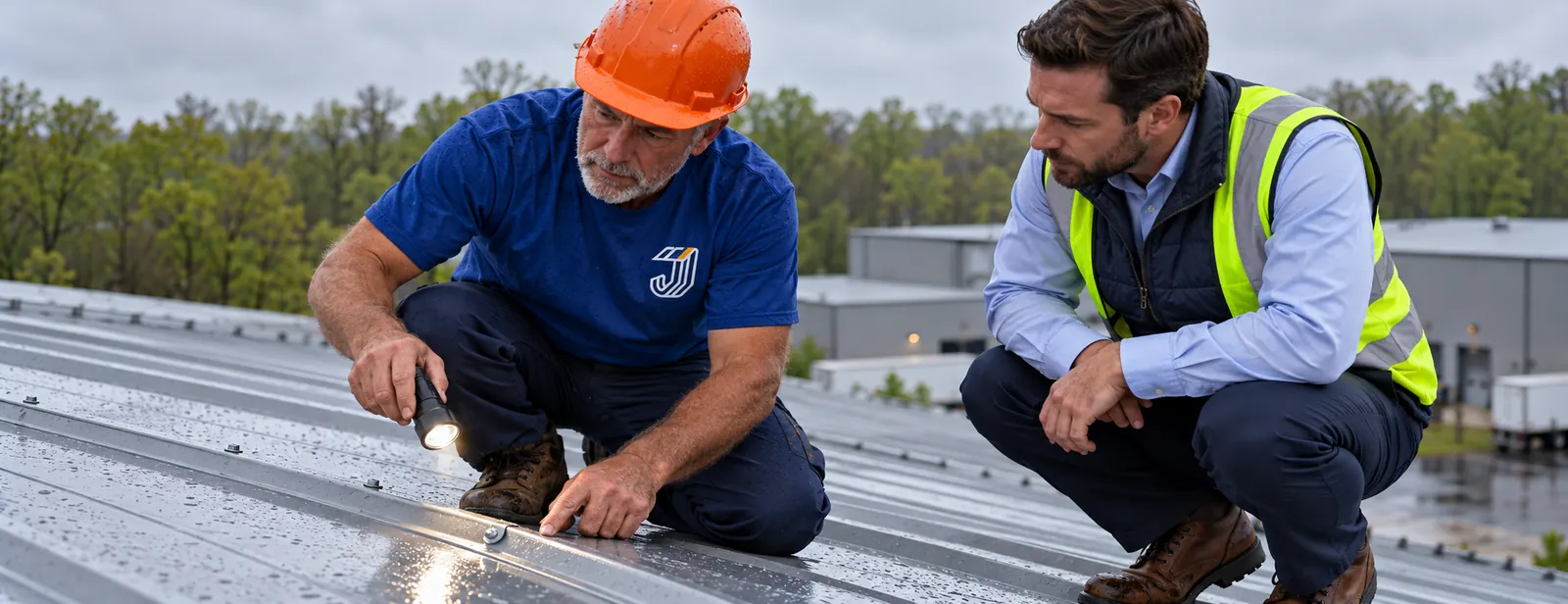
Roofer inspecting fasteners and panel laps on a commercial metal roofCrew applying silicone coating to a commercial roof
  1. WALK

    Inspect Your Roof

    We walk every panel row, test fasteners with a driver, check laps and ridge caps, and look at the underside from inside for drips and rust on the purlins.

  2. WASH

    Clean The Panels

    A pressure wash strips dirt, chalking, and loose paint. Stock under known leaks gets covered first, because washing can push water through open laps.

  3. FIX

    Repair The Details

    Stripped screws get oversized replacements, laps and end laps get sealant or reinforced seam tape, and gutters, trim, and skylight edges are resealed.

  4. PRIME

    Prime The Rust

    Red rust is brushed or ground back to firm steel and spot primed. A pull test on a small patch confirms the coating will grab.

  5. COAT

    Apply Base And Top Coats

    Coats go on to the specified thickness, checked with a wet film gauge, with extra material at every sealed joint. The products used go in your roof file.

Service Area

Jeffersontown And Nearby Towns

Is your building near Jeffersontown? We coat commercial roofs across the five towns below. For anywhere else, call us or send us a message.

Roofing crew staging equipment beside a commercial building

Middletown

Retail buildings along Shelbyville Road stay open while we work, so washing and spraying near the storefronts is timed around store hours.

  • Mansard panels rusting at the bottom edge
  • Fastener rows on rear metal roof sections
  • Lift and drums kept behind the building
Middletown metal roof coating
Commercial building with a metal roof seen from the parking lot

Hurstbourne

Office buildings along Hurstbourne Parkway pair low-slope main roofs with metal canopies, screen walls, and mansards that sit in public view.

  • Entry canopies holding water at the back edge
  • Screen walls rusting where they meet the roof
  • City Letter of Compliance before work starts
Hurstbourne metal roof coating
Exterior of a multi-tenant commercial building

Douglass Hills

Churches and small offices here often have sloped shingle or metal roofs that face the street, so color and coating approval come up early.

  • Shingle roofs checked for flat tabs and granules
  • Ridge and valley details on steep sections
  • City zoning step for street-facing roofs
Douglass Hills metal roof coating
Commercial building roofline seen from the street

Fern Creek

Strip centers and offices along Bardstown Road combine flat main roofs with metal mansards, so we scope and price each roof area on its own.

  • Flat roof and mansards handled as separate areas
  • Gutters resealed while downspouts stay put
  • Louisville Metro permit through Accela
Fern Creek metal roof coating
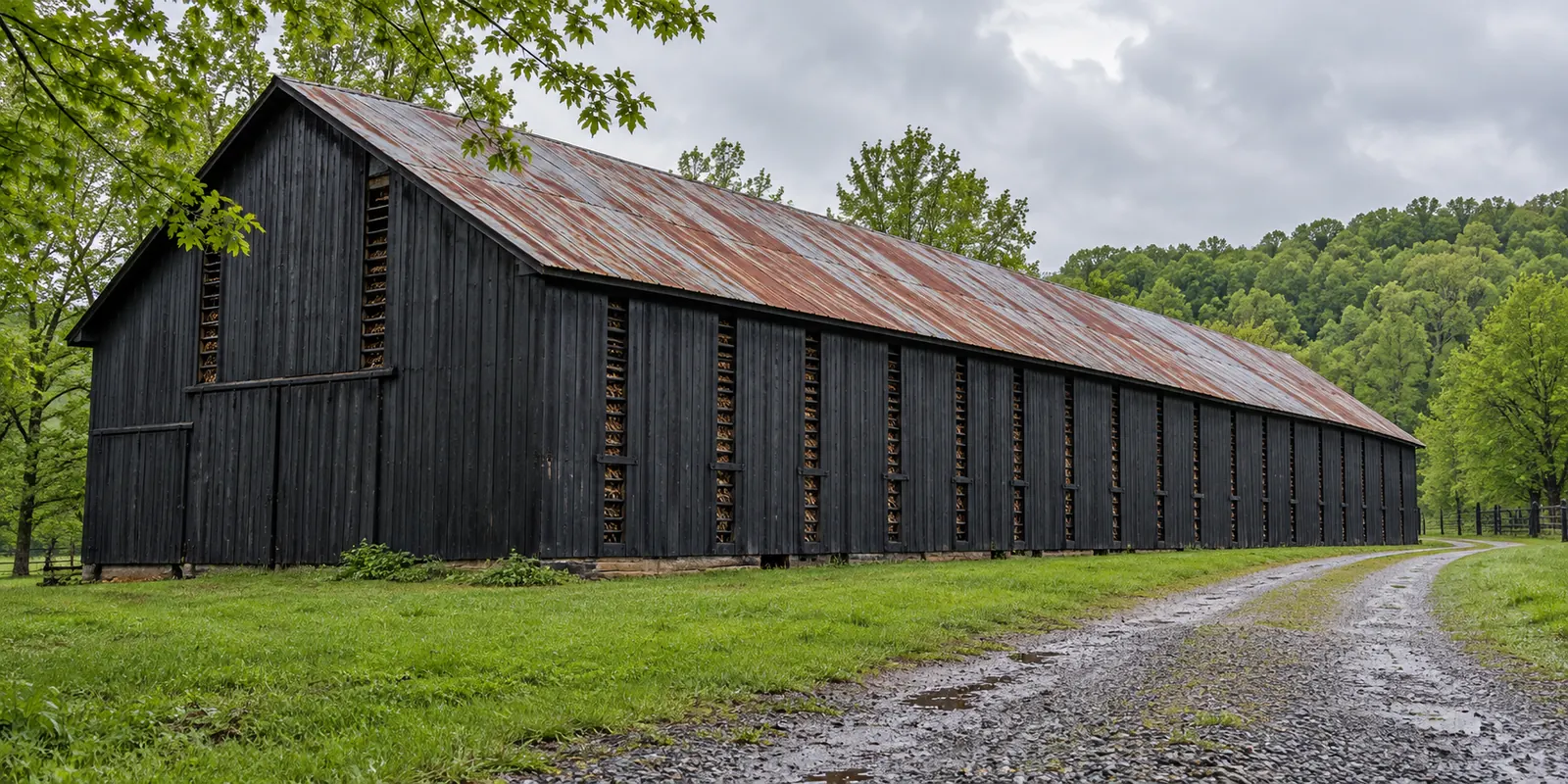
Weathered metal roof panels on a barn-style commercial building

Highview

Many Highview buildings carry a Louisville address close to the Jeffersontown line, so we confirm the parcel's jurisdiction before any permit question.

  • Parcel checked in Metro property records
  • Metro HVAC inspection when units come off
  • Small commercial scope listed item by item
Highview metal roof coating
Questions

Jeffersontown Roof Coating Questions

Short answers to what Jeffersontown owners and facility managers ask most.

What does a coating do for a commercial metal roof?

It covers the panels, screw heads, and laps with one continuous layer, so rain runs over a single surface instead of hundreds of joints. Because the steel stays dry, red rust slows down, and a light topcoat keeps the panels cooler in July. Panels rusted through or a bent purlin get repaired before any coating goes on.

Can a warehouse or plant stay open while the roof is coated?

Yes. The work happens on top of the panels, so most Jeffersontown warehouses, shops, and plants keep running. We shut down or cover rooftop air intakes near the spray area, mask vehicles and storefront glass, keep staging clear of dock doors, and coat one section at a time.

Who issues building permits for roof work in Jeffersontown?

Inside city limits, the City of Jeffersontown's Department of Permitting, Planning, and Enforcement issues building permits, and commercial work is reviewed under the Kentucky Building Code. The city's code page leaves roofing unnamed, so ask the department whether coating or panel replacement at your address needs a permit. A commercial permit application is on the city's permits page.

Can a roof coating count toward a Section 179 deduction?

It can. IRS Publication 946 lists roof improvements on existing nonresidential buildings as qualified real property under Section 179. Whether a coating job counts as an improvement or a repair is a question for your CPA, so bring the full scope to that meeting, including any screw and panel replacements.

What should Bluegrass Commerce Park owners plan before coating?

Start with the tenants. The park holds about 850 businesses and more than 30,000 employees, according to the City of Jeffersontown, and many buildings split one roof among several suites. List who sits under each roof section, note who owns each rooftop unit, and tell tenants about intake shutdowns a few days ahead.

How do I get a metal roof coating project started in Jeffersontown?

Call us or request an estimate, then share the building address, how the roof is reached, and where it has leaked. We set up a roof walk to see the panels, screws, laps, and gutters in person. After that come the coating choice, permit routing for the property, and a work window that fits the weather.

Next Step

Get A Price On Your Metal Roof

Tell us the roof size and condition for a ballpark range, or call to set up a roof walk in Jeffersontown.

Call Us(502) 293-5577